By Your Partners DC | Washington's Top Real Estate Team
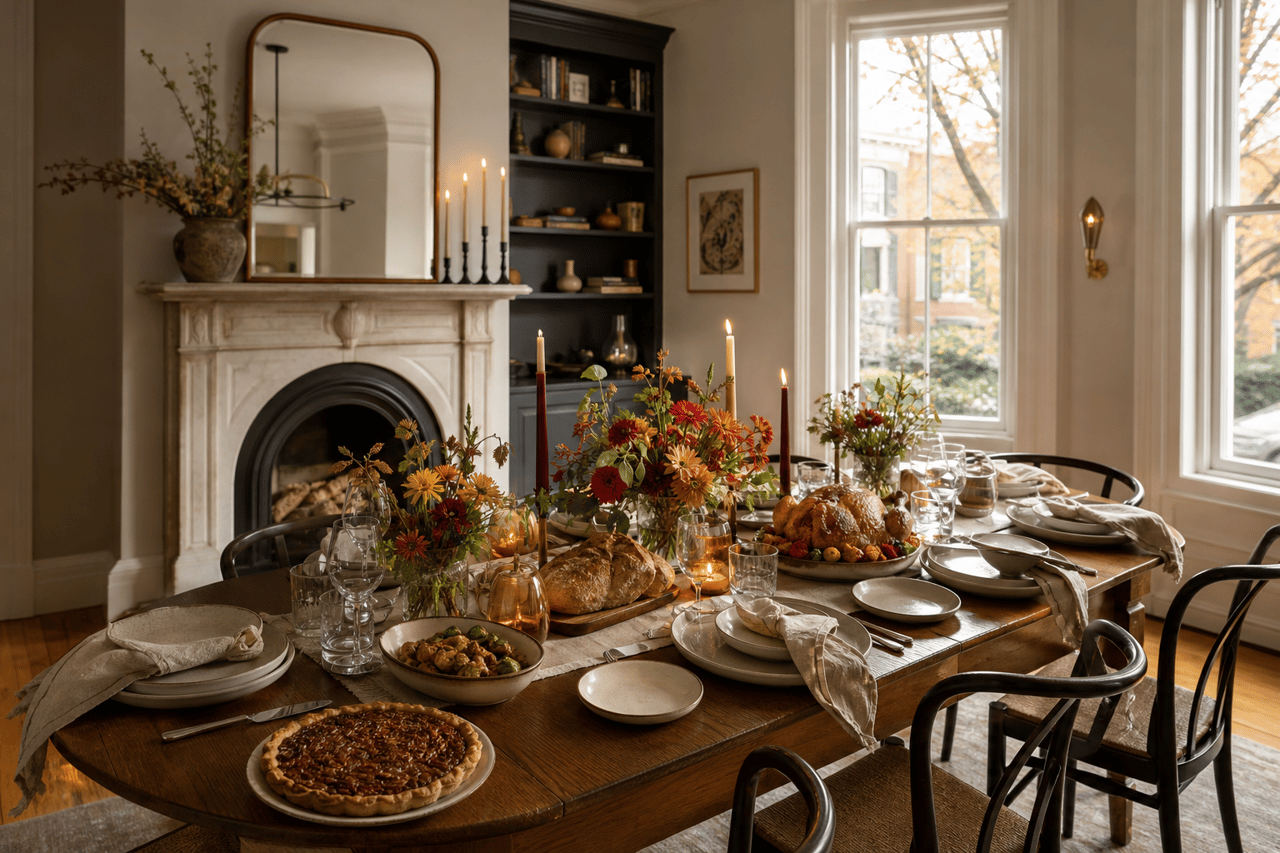
Thanksgiving reveals things about a home that an ordinary Tuesday may not. The kitchen suddenly needs to accommodate several cooks, the dining room must hold more than the everyday table, and guests need logical places for coats, overnight bags, and cars. For buyers considering Washington DC homes for entertaining, these practical details can be just as important as bedroom count or finishes.
The ideal entertaining home is not necessarily the largest one. In Washington, where a narrow Capitol Hill rowhouse, a Dupont Circle condominium, and a Cleveland Park detached home can offer completely different layouts, good flow often matters more than raw square footage. Understanding how you like to host can therefore make a home search more focused and prevent expensive layout compromises later.
Start With the Way You Actually Entertain
Before deciding that you need an enormous kitchen or formal dining room, think about what hosting looks like in your life. A household that organizes an annual seated Thanksgiving dinner has different needs from one that prefers casual cocktail gatherings, backyard cookouts, or weekend visits from family. The frequency, size, and style of those gatherings should shape which features deserve priority.
It also helps to separate true requirements from attractive extras. If relatives regularly stay overnight, a private guest room and nearby full bathroom may be more valuable than an oversized kitchen island. If most guests live nearby and arrive by Metro, location and circulation may matter more than driveway capacity.
This exercise is particularly useful in the DC area because buyers often trade one advantage for another. A Dupont Circle property may offer exceptional walkability but limited private outdoor space, while a Bethesda home may provide a driveway and generous lower level but require more driving. The right choice depends on how the home needs to function when everyone arrives.
Kitchen Flow Matters More Than Kitchen Size
At Thanksgiving, the kitchen becomes both a workspace and a social center. A well-designed kitchen gives the cook access to the refrigerator, sink, oven, prep space, and serving area without repeatedly crossing through a crowd. It should also provide a place where guests can gather without blocking the primary work zone.
An island can help, but only if there is comfortable circulation around it. In some renovated DC rowhouses, a large island photographs beautifully while leaving tight passages near the refrigerator or rear door. During a showing, imagine multiple people opening appliances, carrying hot dishes, and moving between the kitchen and dining table at the same time.
Storage and ventilation deserve equal attention. Deep drawers, a pantry, or even a well-placed hall closet can make a compact urban kitchen far more functional, while effective ventilation helps manage heat and cooking odors in an open layout. Buyers should also look at electrical capacity, appliance placement, counter space, and whether the kitchen has an easy route to an outdoor grill or dining area.
Open Concept Is Not the Only Good Answer
An open kitchen can keep the cook connected to guests, but completely removing walls is not always necessary or desirable. Many historic Washington homes have separate dining rooms that create an inviting sense of occasion and conceal some of the preparation mess. Wide doorways, pocket doors, interior windows, or a serving pass-through can provide connection while preserving distinct rooms.
This balance is especially relevant in older rowhouses and prewar apartments. Original room divisions may contribute architectural character, acoustic separation, and useful wall space for furniture or art. Rather than assuming every wall must disappear, buyers should consider whether the existing layout already supports the way they entertain.
A Dining Space Should Work With Real Furniture
A dining area can appear adequate when it is empty or furnished with a small staging table. The better test is whether it can hold your preferred table, chairs, and serving pieces while leaving enough room for people to move comfortably. Door swings, radiators, fireplaces, built-ins, and routes to the kitchen all affect usable space.
Formal dining rooms remain valuable for buyers who host seated meals, even if those rooms serve other purposes during the week. A dining room can double as a library, homework space, or home office without losing its usefulness for holidays. Flexible use is particularly important in DC properties where every room must earn its square footage.
In a condominium or smaller rowhouse, an expandable table may be more practical than dedicating an entire room to occasional dinners. Look for a living area with a naturally defined dining zone, accessible lighting, and enough nearby storage for dishes and linens. A successful entertaining layout makes conversion from daily life to a gathering feel manageable rather than disruptive.
Arrival, Circulation, and the Often-Overlooked Powder Room
The experience of a home begins before guests reach the dining table. An entry should offer a sensible place for coats, wet umbrellas, bags, and shoes, particularly during a chilly or rainy DC Thanksgiving. A vestibule, hall closet, built-in bench, or nearby room can prevent the front of the home from becoming congested.
A conveniently located powder room also makes a meaningful difference. In many older rowhouses, the only bathroom may originally have been upstairs, while some renovated homes place a powder room directly beside the kitchen or dining area. Buyers should consider both convenience and privacy, including whether bathroom doors and sightlines are comfortable when the main floor is full.
Circulation becomes especially important in narrow properties. A front-to-back route that passes directly through the kitchen may work well for everyday living but become crowded when guests are arriving and food is being served. Walking the route during a showing can reveal bottlenecks that are difficult to understand from a floor plan alone.
Guest Rooms Should Be Flexible and Private
A dedicated guest suite is appealing, but it is not the only way to accommodate overnight visitors. A den, office, finished lower level, or loft can work well if it has reasonable privacy, access to a bathroom, appropriate heating and cooling, and a safe, comfortable layout. Buyers should verify that any space marketed or intended as a bedroom satisfies applicable legal and safety requirements rather than relying solely on staging.
Finished lower levels are common in many DC rowhouses and Bethesda homes, but their quality varies. Ceiling height, natural light, moisture management, exterior access, and proximity to mechanical systems can determine whether the space feels like a genuine guest retreat or an overflow area. An inspection and careful review of permits can be especially important when a lower level has been extensively altered.
Hosts should also consider accessibility within the household. Steep historic stairs, several entry steps, or a bathroom on another floor may be difficult for some relatives and friends. A main-level flex room or elevator building can be more valuable than additional square footage that is hard for guests to reach.
Outdoor Space Extends the Entertaining Season
A rear patio, deck, porch, roof terrace, or garden can change how a home functions well beyond Thanksgiving. Outdoor space gives guests another place to gather, provides room for grilling, and can make a compact interior feel more generous. In the DC climate, shade, drainage, lighting, and shelter from rain often determine how frequently that space is actually used.
For rowhouses, the connection between the kitchen and rear yard matters. Direct access makes outdoor dining easier, while a steep staircase or route through a lower level can limit everyday convenience. Buyers should also consider where trash and bicycles are stored, whether alley access interrupts the yard, and how neighboring properties affect privacy.
Condominium buyers should review the rules governing balconies, grills, roof decks, and reservable common spaces. An attractive shared terrace may be useful for larger gatherings, but reservation policies, guest limits, operating hours, and fees can affect its practical value. These details belong in the condominium or cooperative document review, not as an afterthought once the purchase is complete.
Parking and Transportation Shape the Guest Experience
In Washington, an entertaining-friendly location may reduce the need for private parking. Homes near the Dupont Circle, Cleveland Park, Eastern Market, Capitol South, or Bethesda Metro stations can be easier for guests who prefer not to drive. Walkability to restaurants, groceries, and neighborhood amenities can also make hosting more convenient before and after the main gathering.
Parking still matters, especially for older visitors, families carrying food, or guests arriving from outside the region. A deeded space, garage, driveway, or reliable rear parking pad can simplify arrival, but buyers should confirm exactly what is included with the property. In dense neighborhoods, curb space should never be assumed, and parking regulations can vary by location and time.
Bethesda buyers may encounter a different balance. Downtown Bethesda offers Metro access and a walkable urban environment, while many residential areas beyond the downtown core make driving and private parking more central to daily life. A home with a driveway may be an excellent fit for large gatherings, but hosts should still consider safe street parking and how easily guests can identify and reach the entrance.
How Entertaining Homes Differ Across DC-Area Neighborhoods
Dupont Circle: Urban Convenience and Creative Use of Space
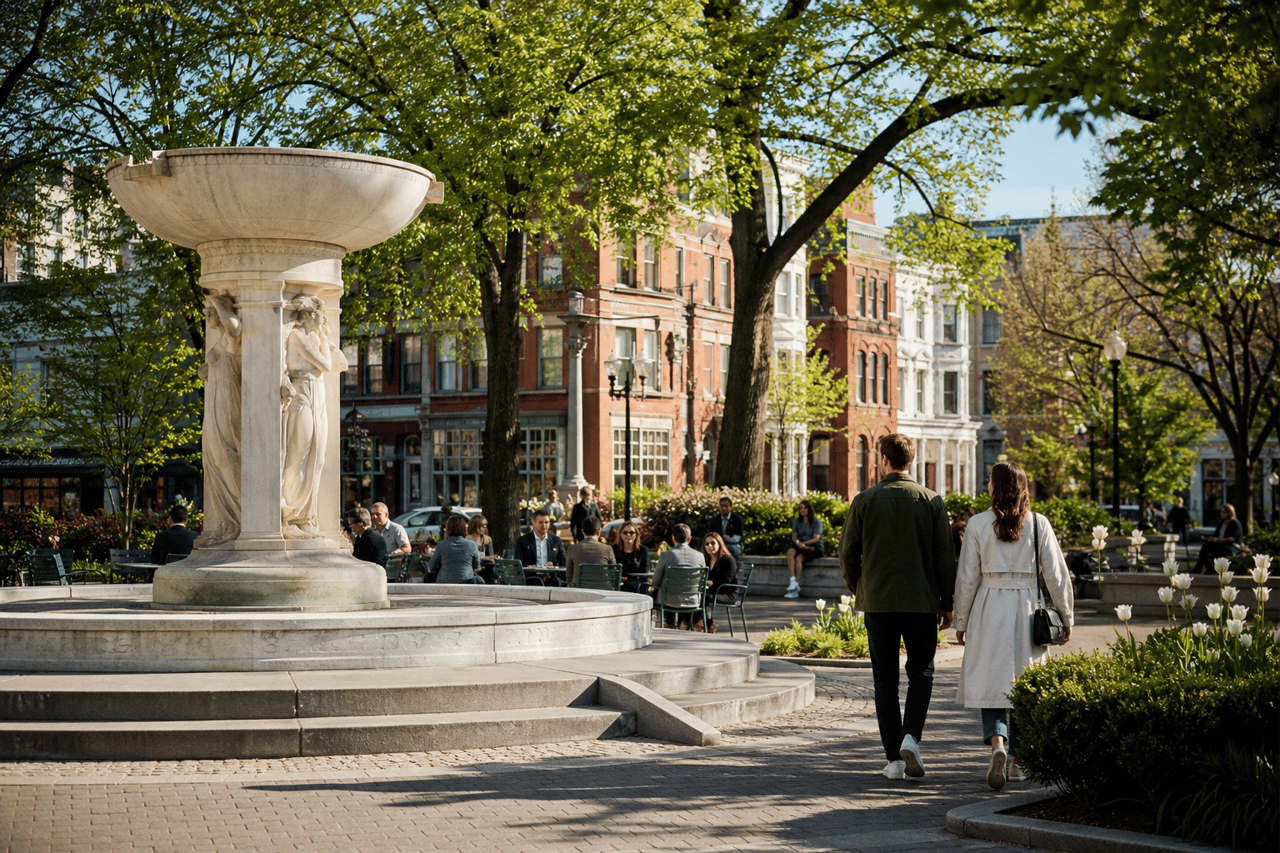
Dupont Circle offers historic rowhouses, prewar apartments, condominiums, and cooperatives in a highly walkable setting. For hosts, the neighborhood's central location can make arrival easier for guests using Metro, rideshare services, or nearby bus routes. The tradeoff is that private parking, large kitchens, and expansive yards are less common than in lower-density areas.
In a rowhouse, buyers may find gracious formal rooms, high ceilings, and a vertical layout that separates entertaining space from bedrooms. Condominiums and cooperatives can offer elevators, common roof decks, staffed entries, or shared gathering rooms, but rules and fees should be reviewed closely. Storage, package handling, guest access, and elevator size may matter more to frequent hosts than buyers initially expect.
Much of the neighborhood's appeal comes from its historic architecture, which can also affect renovation plans. Exterior changes to properties within a historic district may require additional review, and condominium or cooperative approval may apply to interior projects. Buyers considering a major kitchen reconfiguration should investigate feasibility before treating the renovation as a simple future project.
Cleveland Park: Traditional Rooms, Porches, and Larger Lots
Cleveland Park includes detached and semi-detached homes, rowhouses, apartments, and condominiums, often with more breathing room than the city's densest central neighborhoods. Many homes have traditional dining rooms, porches, gardens, and layouts that lend themselves naturally to family gatherings. Proximity to the Red Line can also help guests arrive without relying entirely on cars.
Older homes may retain separated kitchens, smaller closets, and formal circulation patterns. Those features can be charming and highly functional, but they may not match a buyer's vision of casual, open entertaining without renovation. It is important to assess structural walls, mechanical systems, and historic-district considerations before assuming rooms can be combined.
Outdoor conditions matter as much as indoor layout. A broad porch can become a welcoming transition space, while a sloped or heavily shaded yard may require thoughtful landscaping to support dining and play. Buyers should evaluate the whole property as a sequence, from sidewalk and entry to kitchen, dining room, and garden.
Capitol Hill: Rowhouse Character and Efficient Indoor-Outdoor Flow
Capitol Hill rowhouses often make efficient use of narrow footprints. Front parlors, central dining areas, rear kitchens, English basements, and compact brick patios can create excellent entertaining spaces when circulation is well planned. Access to Metro stations such as Eastern Market and Capitol South can reduce pressure on limited street parking.
The strongest layouts allow people to move between the front rooms, kitchen, and rear outdoor area without creating a single crowded corridor. Rear additions can provide valuable kitchen and family-room space, but buyers should confirm permits and examine how the work integrates with the original structure. Drainage, party walls, roof condition, and rear access are also important in attached housing.
Capitol Hill's historic character is a major part of its value and atmosphere. It can also influence exterior additions, windows, doors, roof elements, and other visible alterations within the historic district. Buyers who envision a roof deck or substantial rear project should research the review and permitting process before making plans around that feature.
Bethesda: More Space, Different Tradeoffs
Bethesda offers a broad mix of downtown condominiums, townhomes, established detached houses, and newer residences. Buyers who prioritize a large kitchen, multiple guest rooms, a finished lower level, and off-street parking may find more options here than in central DC. Larger properties, however, still need good flow; extra square footage does not automatically create an intimate or practical gathering space.
Downtown condominiums may deliver walkability, Metro access, and low-maintenance living, while detached homes can offer yards, screened porches, mudrooms, and driveways. The best fit depends on whether hosting is primarily an indoor occasion, an outdoor lifestyle, or a reason for relatives to stay several nights. Buyers should also consider how guests will travel between Bethesda and destinations elsewhere in the region.
Purchasing in Maryland differs from purchasing in the District in contract practices, disclosures, taxes, document review, and local procedures. The details can also vary by property type and jurisdiction, so buyers should rely on qualified real estate, lending, legal, and tax professionals for guidance. A search that crosses the DC–Maryland line should account for these differences from the beginning rather than treating Bethesda as simply another DC neighborhood.
Older Homes Require More Than a Beautiful Floor Plan
Many of the area's most appealing entertaining homes are older properties with fireplaces, original millwork, plaster walls, and distinctive room proportions. Those features create atmosphere, but buyers should also understand the condition of electrical service, plumbing, heating and cooling, roofing, windows, and foundations. A home that frequently accommodates a full house needs reliable systems as much as it needs visual charm.
Renovations should be evaluated carefully, particularly when walls have been removed or lower levels have been finished. Permits, structural work, waterproofing, egress, and mechanical changes can affect safety, insurability, and future resale. A qualified home inspector and, when appropriate, specialized contractors can help buyers understand what they are purchasing.
Historic-district requirements and association rules can also influence future plans. These restrictions do not make a property unsuitable for entertaining, but they can change the cost, timing, or feasibility of additions, windows, decks, and exterior alterations. Good due diligence allows buyers to distinguish between a realistic improvement and an assumption that may never be approved.
Sellers Can Show How the Home Lives
For sellers, Thanksgiving offers a useful reminder that buyers respond to function as well as finishes. A dining table should be appropriately scaled so visitors can understand the room's capacity, while clear counters and thoughtful storage help the kitchen feel workable. Removing excess furniture can clarify circulation without making the home feel bare.
It is also worth addressing small issues that undermine the hosting experience. Sticky doors, inadequate lighting, loose railings, dripping faucets, or an untidy patio can distract buyers from otherwise appealing entertaining features. Simple maintenance and purposeful presentation often communicate more than elaborate seasonal decorating.
Sellers should avoid forcing an open-concept narrative if the home's strengths are traditional. A gracious dining room, front parlor, screened porch, or private guest level can be a powerful selling point when its use is easy to understand. The goal is to demonstrate how the property supports real life, not to make every home resemble the same renovation trend.
Choose the Home That Makes Gathering Feel Natural
The best entertaining home is one that reduces friction. Guests know where to enter, conversation can continue while food is prepared, the dining area fits the occasion, and overnight visitors have a comfortable degree of privacy. Outdoor access, transportation, and parking support the experience rather than becoming last-minute problems.
That combination looks different across the Washington region. It may be a formal Dupont Circle apartment, a Cleveland Park home with a porch and garden, a Capitol Hill rowhouse with a seamless rear patio, or a Bethesda property with a generous kitchen and guest suite. The right choice comes from matching the property's layout and location to the way you genuinely live.
If you are buying a home built for gatherings—or preparing to sell one anywhere around Washington, DC, or Bethesda—connect with Your Partners DC for thoughtful, neighborhood-specific guidance tailored to your real estate goals.